

For the first time in more than four decades, Japan’s population has fallen below the 120 million mark. With a historically low birth rate, record-low fertility and rapidly accelerating population ageing, the archipelago exemplifies the challenges facing the world’s oldest societies. A demographic trajectory that raises questions far beyond Japan’s borders.
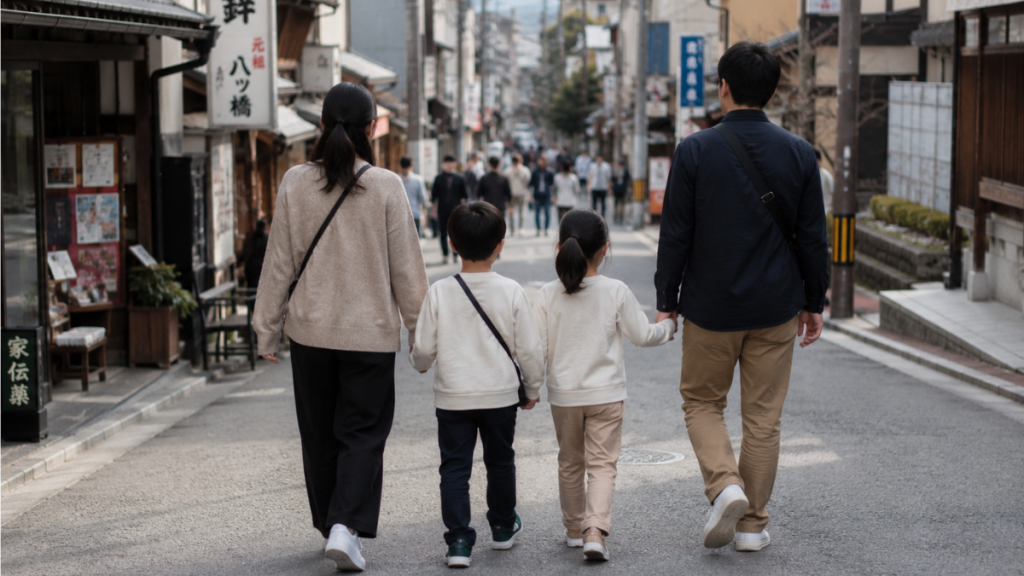
- Japan’s population has fallen below the 120 million mark for the first time in 42 years.
- The Japanese population has been declining continuously for 17 years, despite an increase in the number of foreign residents.
- The fertility rate fell to a record low of 1.14 children per woman in 2025.
- The number of births reached its lowest level since records began in 1899.
- The ageing population is increasing pressure on employment, social protection systems and pension funding.
Japan: A symbolic demographic milestone confirming a long-term trend
Japan has reached a new demographic milestone. As of January 1, 2026, the country had 119,736,483 Japanese nationals, according to the latest data from the Ministry of Internal Affairs and Communications. This marks the first time in 42 years that Japan’s national population has fallen below the 120 million threshold.
The decline stands at 0.76% year-on-year and confirms a trend that is now firmly established. Japan’s population has been shrinking continuously for 17 years, after reaching its peak in 2009. When foreign residents are included — their number having reached a record high since official statistics began in 2013 — the country’s total population rises to 123.76 million people. However, this increase in immigration is not enough to reverse the broader demographic decline.
Ageing population and declining birth rate: Japan faces a structural challenge
The population decline is primarily driven by an increasingly low birth rate. According to official data released in early June, the fertility rate fell to 1.14 children per woman in 2025, its lowest level ever recorded. That same year, 671,236 Japanese children were born, nearly 15,000 fewer than in 2024 and the lowest figure since records began in 1899.
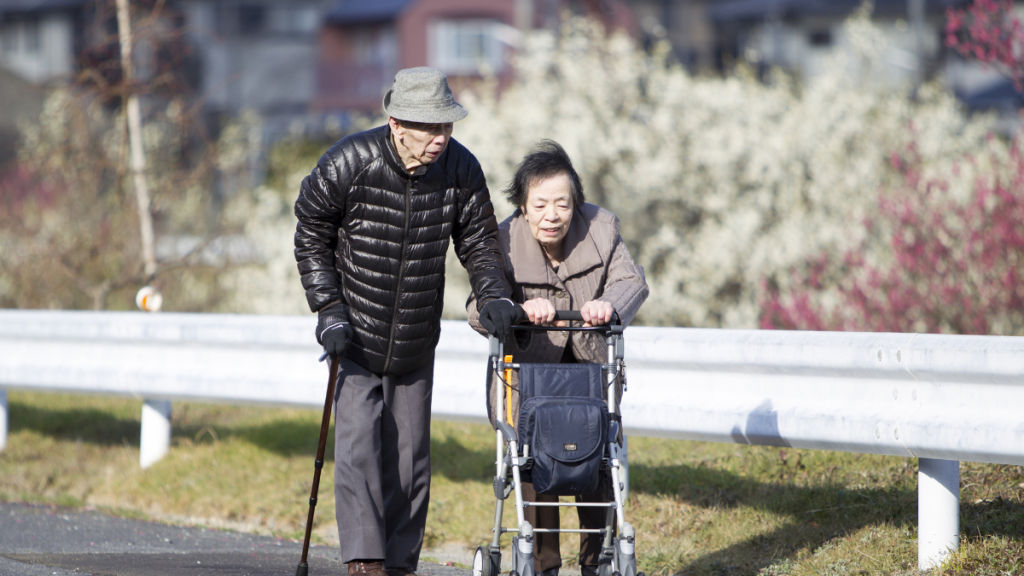
With a median age of 49.9 years, Japan now has the second-oldest population in the world, behind Monaco, according to World Bank data. This demographic shift is placing growing pressure on every aspect of society: labour shortages, rising social welfare costs, a shrinking working-age population and increasing challenges in sustainably financing solidarity-based systems.
Long considered a unique case, Japan is now emerging as a laboratory for demographic ageing. As its population grows older faster than it can renew itself, the archipelago is already experiencing challenges that many countries — including France — will face in the coming decades.
Through its demographic trajectory, Japan offers a glimpse into the challenges ageing societies will need to address: adapting public policies, supporting caregivers, rethinking housing, developing technologies that promote independence and ensuring dignified support for an increasingly elderly population.
Published by the Editorial Staff on