

Elon Musk argues that artificial intelligence could make long-term savings unnecessary. At the opposite extreme, researcher Nate Soares says he is no longer preparing financially for retirement because he fears an AI-related catastrophe. These opposing views raise the same question: how can we plan for ageing when technological promises challenge the very idea of a future?

Preparing for retirement means being able to imagine life in ten, twenty or thirty years. This is precisely the time horizon that some figures in artificial intelligence are calling into question. Some predict such an enormous increase in wealth creation that working and saving would lose their purpose. Others fear that an AI system beyond human control could leave no future to finance. Between these two narratives, the very practical needs of older people remain largely absent from the discussion.
Elon Musk reignites the debate on AI and retirement savings
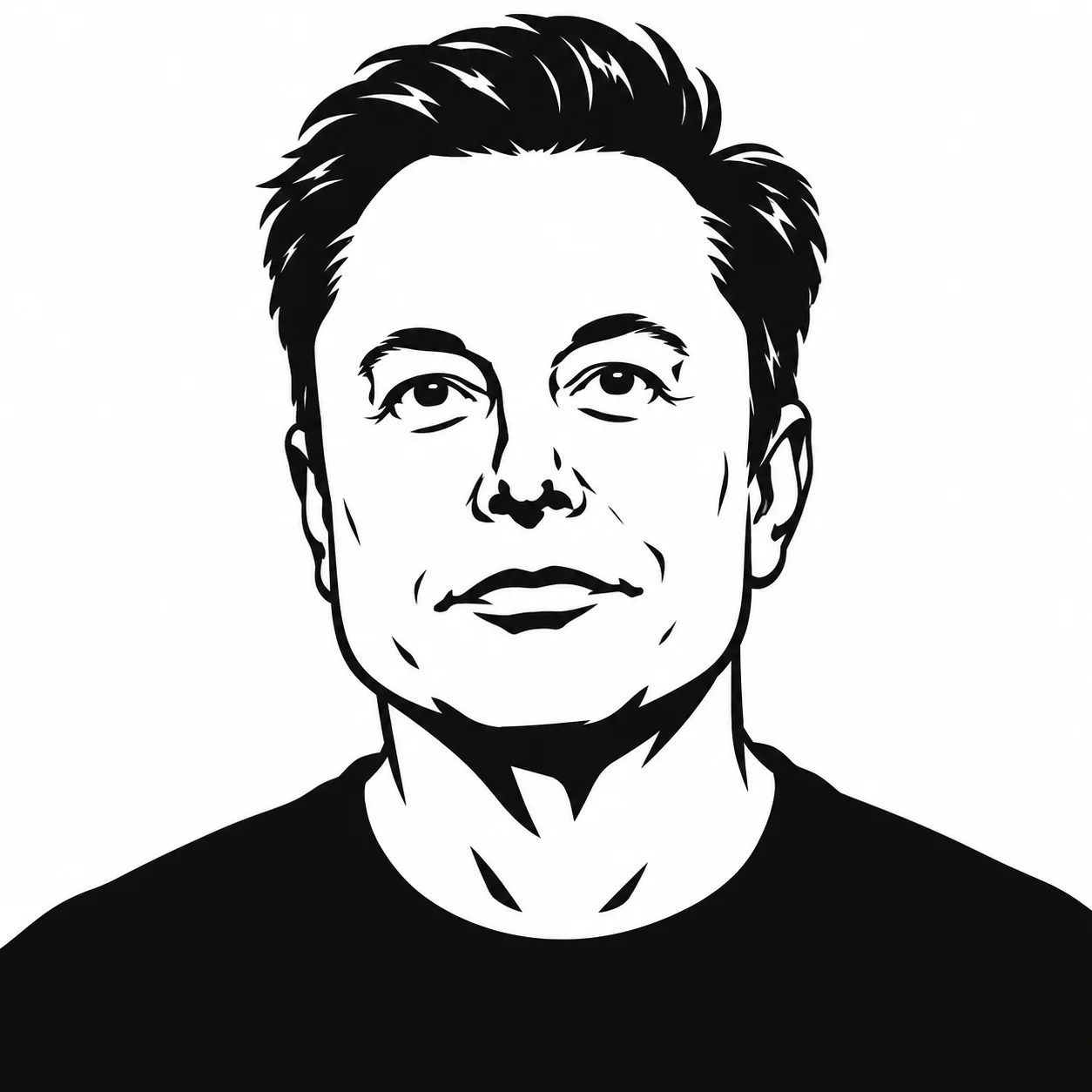
In a post on X published on 29 October 2026, Elon Musk described saving for the distant future as unnecessary, arguing that superintelligence would bring abundance. Business Insider reports on this latest statement, which builds on an idea previously put forward by the Tesla and SpaceX leader.
However, two separate occasions need to be distinguished. The October post concerns long-term savings. His comments explicitly addressing retirement in ten or twenty years came in an interview on the Moonshots podcast, released in January.
AI-driven abundance leaves questions about how wealth would be shared
Musk’s reasoning rests on a scenario in which AI and robots would increase production enough to make goods and services accessible to everyone. In that context, he believes building up capital for later life would become less relevant. This conclusion depends on his technological and economic predictions coming true.
For the ageing well sector, several questions therefore remain unanswered. Would higher productivity translate into better access to healthcare and support? Who would finance the services older people need? How would the gains be shared among businesses, employees, retirees and carers? The ability to produce more does not, by itself, define either beneficiaries’ entitlements or the mechanisms for redistribution.
Timing is another unknown. Even when technologies advance rapidly, their adoption, cost and integration into everyday services can move at different speeds. A promise set ten or twenty years in the future therefore does not directly address the expenses and needs of someone retiring today.

Nate Soares: the same decision, for a radically different reason
In stark contrast to this optimism, Nate Soares, president of the Machine Intelligence Research Institute (MIRI), says he stopped contributing to his retirement savings plan around ten years ago. He still holds a US retirement savings account, known as a 401(k), which he opened while working at Google, but says he has stopped making contributions without disclosing how much it contains.
In an interview with Nicholas Thompson for The Most Interesting Thing in AI, reported on 27 October by Business Insider and republished by Yahoo News, he puts the risk of AI causing human extinction within less than ten years at more than 50%. To put this figure in perspective, it reflects his personal assessment of the risk, rather than a scientifically established probability or a consensus among researchers.
Musk imagines a world in which savings would no longer be necessary; Soares fears a world in which nobody would be left to use them. What they share is the importance they attach to their beliefs about AI in shaping their relationship with the long term. Yet their arguments remain incompatible: widespread prosperity and the disappearance of humanity are not the same forecast.
What the AI debate means for ageing well
Reducing the debate to an obsolete piggy bank would miss what it means to prepare for later life. Financial resources are only one part of that preparation, alongside housing, health, social connections and access to appropriate support. Even in a profoundly transformed economy, these responses would still need to be organised.
Technology can support professionals, make certain tasks easier or enable new services. That does not demonstrate that every need will be met, everywhere and for everyone. The silver economy also faces the challenge of turning innovation into solutions that people can actually access. The debate must therefore address the conditions for that access as much as the promised performance.
Future scenarios offer no guarantee for retirees
These public figures’ statements reveal the depth of disagreement over the future of AI. They establish neither the imminent disappearance of money nor that of humanity. Nor do they justify concluding that preparing for retirement has lost its purpose.
One distinction remains essential when discussing this issue: anticipating a possible transformation is not the same as having a guarantee about its consequences. The collective challenge is to preserve people’s security and independence throughout these changes, including if the benefits take time to materialise or are shared unequally.
Published by the Editorial Staff on