

From a home telecare hub to a wearable fall detector and a mobile assistance watch, Telecom Design develops connected solutions designed to help older adults stay independent. Vibby Home, VIBBY OAK and IKARYA Watch address different everyday situations, combining ways to request help with technology that can identify a heavy fall.

For someone living independently, the usefulness of an assistance device depends on more than its alarm button. It also needs to fit daily routines, be comfortable to wear and connect to a service able to respond. Telecom Design approaches these needs through a range spanning the home, care settings and journeys outside.
Connected telecare built around everyday life
The company develops electronic products for the silver economy, with automatic fall detection among its areas of expertise. Its solutions bring together sensors, communication technology and interfaces intended to make assistance accessible to the wearer.
Across the range, manual SOS alerts and automatic heavy-fall detection serve complementary purposes. A person can actively ask for help when they feel unwell or unsafe, while automatic detection offers another route to an alert if a recognised fall leaves them unable to press a button.
Vibby Home: assistance and daily services in one hub
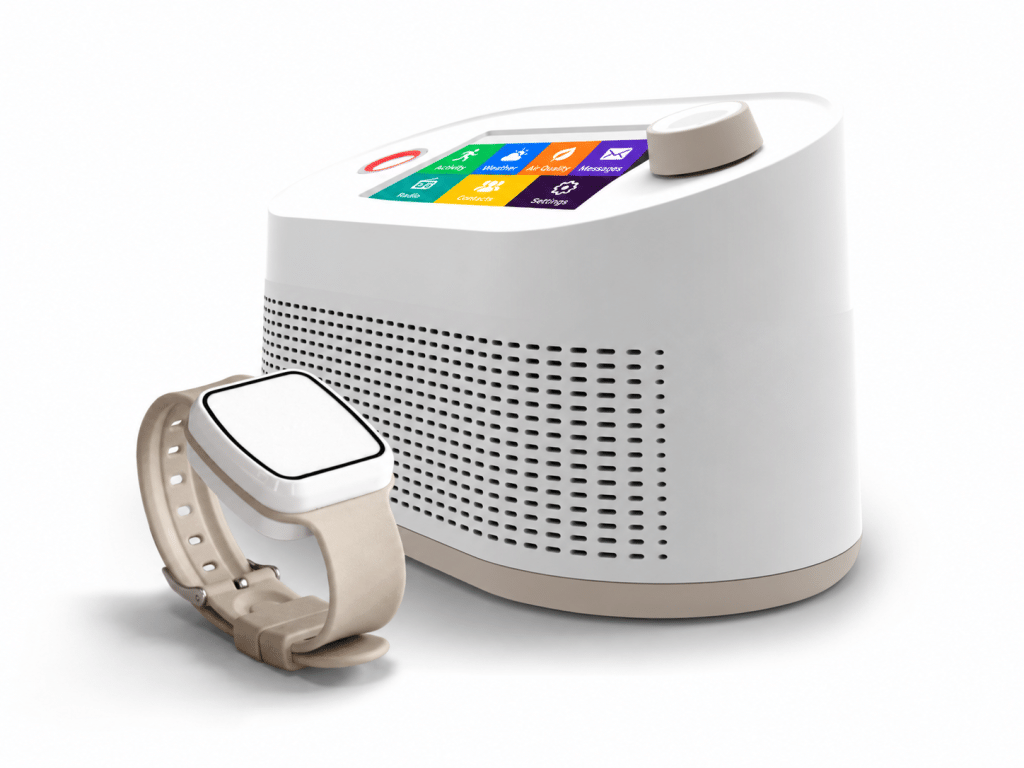
Vibby Home combines a connected wristband with a home telecare hub. A 4.3-inch touchscreen gives access to functions that extend beyond emergency assistance, including activity information, weather forecasts, indoor air quality and FM radio.
The wristband records steps, distance and floors climbed, allowing users to view their activity and set goals through the hub. This places the device within ordinary daily routines, alongside its safety functions.
When a fall detection or SOS alert is triggered, the hub relays it to a telecare operator. Its microphone and speaker enable a conversation to establish what has happened and organise an appropriate response.
VIBBY OAK: a wearable detector for heavy falls
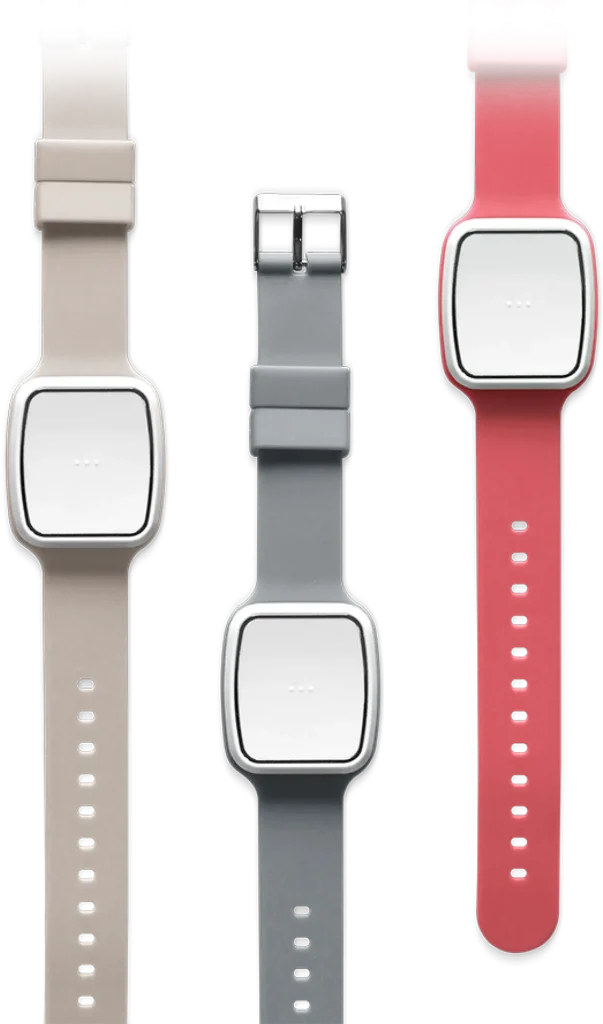
For users who need a dedicated wearable alert device, VIBBY OAK can be worn on the wrist or as a pendant. It combines a central SOS button with sensors and an algorithm designed to recognise heavy falls.
The detector communicates with a compatible receiver rather than acting as a standalone mobile telephone. Depending on the installation, that receiver forwards the alarm to a telecare centre or care staff. Multiprotocol radio settings support integration with different assistance environments.
Telecom Design states a battery life of up to two years, avoiding daily charging. Wristband colour options and a choice of wearing styles allow the equipment to be adapted to individual preferences.
IKARYA Watch: mobile telecare without a nearby smartphone
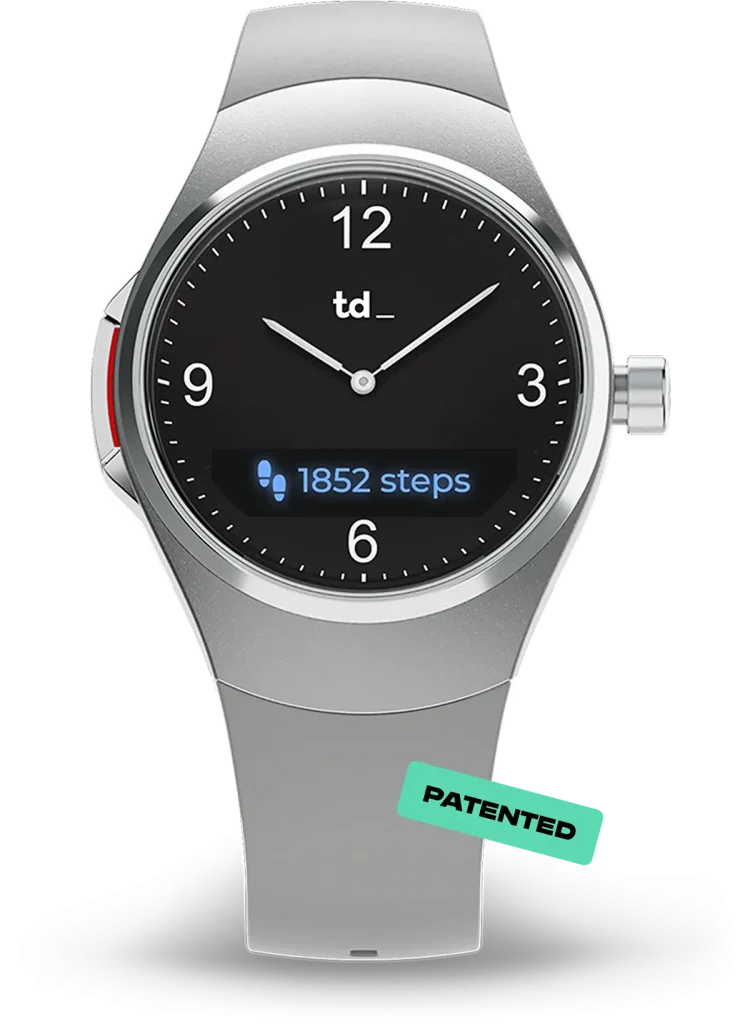
IKARYA Watch extends the approach to mobile use. The watch combines an SOS button, automatic heavy-fall detection, GPS location and two-way communication, using an LTE-M connection to transmit alerts directly. A smartphone does not need to be kept nearby for this transmission.
Alongside assistance functions, it tracks steps, distance and active time. Authorised users, relatives or professionals can consult activity information through the associated tools. The analogue-style design, titanium case and customisable hypoallergenic strap aim to make the watch an everyday accessory.
The manufacturer presents a battery life of 30 days and an IP67 protection rating. Network coverage and the service arrangements remain part of choosing and deploying the solution.
Linking the device to the right assistance service
These three products illustrate different ways of connecting independent living with access to support. A home hub, a dedicated detector and a mobile watch each meet a distinct usage pattern; the choice depends on where assistance is needed and how the wearer prefers to interact with the equipment.
Automatic detection targets heavy falls and does not identify every possible fall. Compatibility, connectivity and the response service should therefore be considered alongside product features. The role of the technology is to support an assistance pathway, with people available to assess an alert and act on it.
Published by the Editorial Staff on