

As World Elder Abuse Awareness Day approaches on June 15, WHO figures highlight a phenomenon that is still too often silenced. Psychological violence, financial abuse, neglect: one in six people over the age of 60 is estimated to have suffered some form of abuse in the past year, most often at home
What is elder abuse?
Elder abuse refers to any act or behaviour that harms a person because of their age. It can include physical abuse (hitting, slapping, shaking, burning, biting, pushing, etc.), psychological abuse (insults, humiliation, threats, intimidation, isolation, etc.), sexual abuse (sexual assault, sexual harassment, etc.), financial abuse (theft, extortion, fraud), or neglect (lack of attention, care, or support).
The majority of abused older adults are over 80 years old, a population that is generally experiencing loss of autonomy and is therefore even more vulnerable.
Elder abuse, this odious crime, often occurs behind closed doors in private spaces, which makes public denunciation all the more necessary and urgent, in the strongest possible terms. We must show even greater determination to address this issue as part of broader efforts to ensure that everyone can live with dignity.
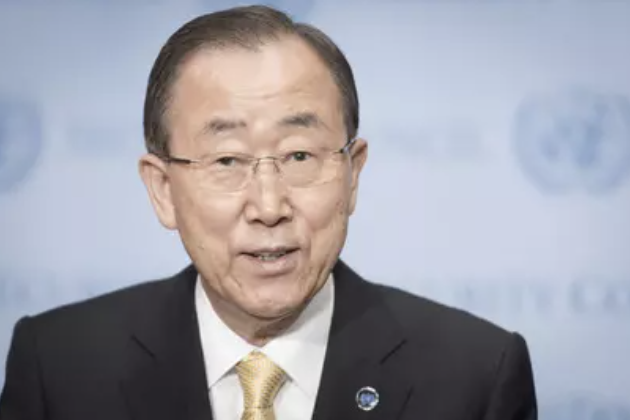
Ban Ki-moon, UN Secretary-General
Elder abuse is a violation of the fundamental rights of older people and can have serious consequences for their physical and mental health. This is why this awareness day was created: to raise awareness of abuse, protect older people, and ensure they live in a safe and supportive environment. It draws attention to a tragedy that is usually hidden from view.
Why June 15 is an essential date
Between 2019 and 2050, the number of people aged 60 and over is expected to more than double, rising from 1 billion to around 2 billion. This demographic shift will unfortunately, and mathematically, lead to an increase in the number of older people experiencing abuse. In 2017, 141 million older adults were affected by violence; this number is expected to rise to 320 million by 2050 if the proportion of victims remains constant.
A 2020 survey by the Quebec Statistical Institute showed that in 2019, nearly 6% of older adults living at home reported experiencing at least one form of abuse in the 12 months prior to the survey. This rate increased during the Covid-19 pandemic due to greater isolation of older people worldwide.
As early as 2017, a meta-analysis of 52 studies from 28 countries estimated that 15.7% of people aged 60 and over had experienced some form of abuse in the previous year. However, this figure is likely far from reality, given that only 1 in 24 cases of elder abuse is reported. Another WHO analysis, based on 9 studies from 6 countries involving self-assessments by staff in care institutions, found that 64.2% of staff admitted to having committed some form of abuse in 2016. This raises serious concerns about understaffing and working conditions in care facilities
Overall, according to WHO, one in six people over 60 experienced some form of abuse in their familiar environment over the past year.
Most commonly reported forms of elder abuse
- Psychological abuse: 11.6%
- Financial exploitation: 6.8%
- Neglect: 4.2%
- Physical abuse: 2.6%
- Sexual abuse: 0.9%
(Source: WHO 2017)
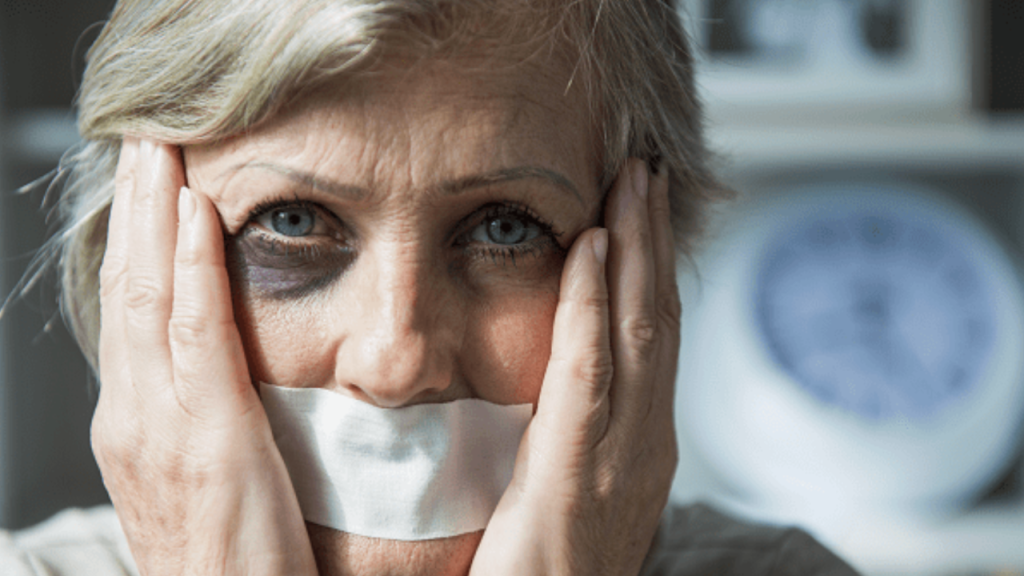
Elder abuse is a global social issue, yet it remains taboo and deserves the attention of the international community. While nursing homes and care facilities are often criticised, abuse is not confined to institutional settings. The vast majority of cases occur at home, perpetrated by people within the older person’s immediate environment.
There is no such thing as minor abuse. It is above all the suffering experienced in these situations that alerts and mobilises us.
Les petits frères des Pauvres
The purpose of World Elder Abuse Awareness Day is therefore to implement actions to recognise, denounce, and intervene in cases of abuse, and to promote the well-being and dignity of older people.
2025 theme: “Beyond Age: changing the narrative on ageing”
Ahead of World Elder Abuse Awareness Day (WEAAD), celebrated every year on June 15, Seniors Rights Victoria and COTA Victoria are launching a new initiative: the “Beyond Age” project. This campaign aims to challenge age-related stereotypes and promote a more inclusive and respectful society for older people.
Through a series of workshops, community members are invited to pair a photo from their past with a recent photo, and then write a message addressed to their younger self. These personal and emotional testimonies will serve as a basis for discussions around dignity, respect, and ageing.
The goal is clear: to encourage a shift in mindset about age and raise awareness of the impact of ageism, recognised as one of the main drivers of elder abuse.
The stories collected through this project will be compiled into an online exhibition, while some works will be presented at a flagship event at Melbourne Town Hall on June 10, 2025. A meaningful opportunity to honour life journeys and revive intergenerational dialogue across the wider community.
The theme for 2026 will be Beyond Awareness: Making Elder Abuse Prevention Work
Elder abuse: a global scourge
- Between 2020 and 2030, the number of people aged 60 and over is expected to increase by 38%, from 1 billion to 1.4 billion, surpassing the number of young people worldwide. By 2050, one in six people will be aged 65 or older, increasing their vulnerability to violence.
- Around one in six people over 60 experienced abuse in the past 12 months
- Elder abuse can lead to severe physical injuries as well as long-term psychological consequences
Strategies to combat elder abuse
Training kit for preventing abuse and promoting good care
How do we define abuse? How can we identify such situations? When should we speak of abuse? And above all, what should we do?
To address these questions, the French government has developed a free online training kit for all professionals in health, social, and medico-social sectors. It includes a basic module and an advanced module. It can be accessed individually or as part of group training. It also targets people concerned by these issues (children at risk, older adults, and people with disabilities).
The World Health Organization
The WHO takes this issue very seriously and continuously develops strategies to prevent this type of abuse and reduce its consequences. However, much remains to be done. Indeed, most programmes are implemented in high-income countries, whereas this issue affects all countries.
Among these actions:
- Public and professional awareness campaigns
- Screening (of victims and potential abusers)
- Intergenerational school-based programmes
- Support interventions for caregivers (including stress management and respite care)
- Institutional care policies to define and improve care standards
- Training for caregivers on dementia
To prevent further abuse, WHO also recommends:
- Mandatory reporting of abuse to authorities
- Support groups
- Shelters and emergency accommodation
- Psychological programmes for perpetrators
- Helplines providing information and referrals
- Caregiver support interventions
Older people: a vulnerable population
Physical violence, inappropriate familiarity, abandonment, restriction of visits, premature inheritance claims, withholding medication, infantilisation, neglect, inappropriate sedative treatment, forced cheque signing, and many more: the list of abuses—active or passive, severe or minor, ongoing or sudden, psychological, physical, or financial—is long.
They all share the same denominator: an unacceptable violation of the dignity of vulnerable people who are unable to defend themselves.
Older people are indeed a vulnerable population, weakened by age, isolation, and sometimes illness or disability.
The consequences of abuse are devastating: beyond sometimes severe physical trauma, abuse also leads to long-term psychological harm.
Older women: more vulnerable than men
According to ALMA (a French association supporting victims), the most vulnerable individuals are predominantly elderly women, often unable to defend themselves or react to abuse.
In a 2016 speech, UN Secretary-General Ban Ki-moon warned about this phenomenon and called for stronger determination to combat it:
The 2030 Agenda for Sustainable Development, adopted the previous year, aims to eradicate poverty and build a more sustainable world over the next 15 years. Ending neglect, mistreatment, and violence against older persons is essential if we are to achieve the 17 Sustainable Development Goals and honour the commitment to leave no one behind. Abuse and violence against older people can take many forms, including violence within and outside the family, psychological and emotional abuse, and financial exploitation. The World Health Organization estimates that in some countries, 10% of older people suffer such violence.
Women, who face discrimination in both age and gender, are particularly vulnerable. They often experience abuse after a lifetime of discrimination, violence, and oppression. I am especially concerned by increasing reports of older women being accused of witchcraft and subjected to abuse by their own family members and communities.
On this Day, I call on Member States and civil society to show stronger commitment and redouble efforts to eliminate all forms of violence and abuse against older people.
Because there is only a fine line between vulnerability and loss of citizenship rights, let us mobilise on June 15.
Published by the Editorial Staff on