

As a new wave of extreme heat hits France, older people remain particularly vulnerable to the risks of dehydration and heatstroke. For caregivers, certain changes, sometimes subtle, should be taken seriously. Here are the five signs to watch for closely in an older relative.
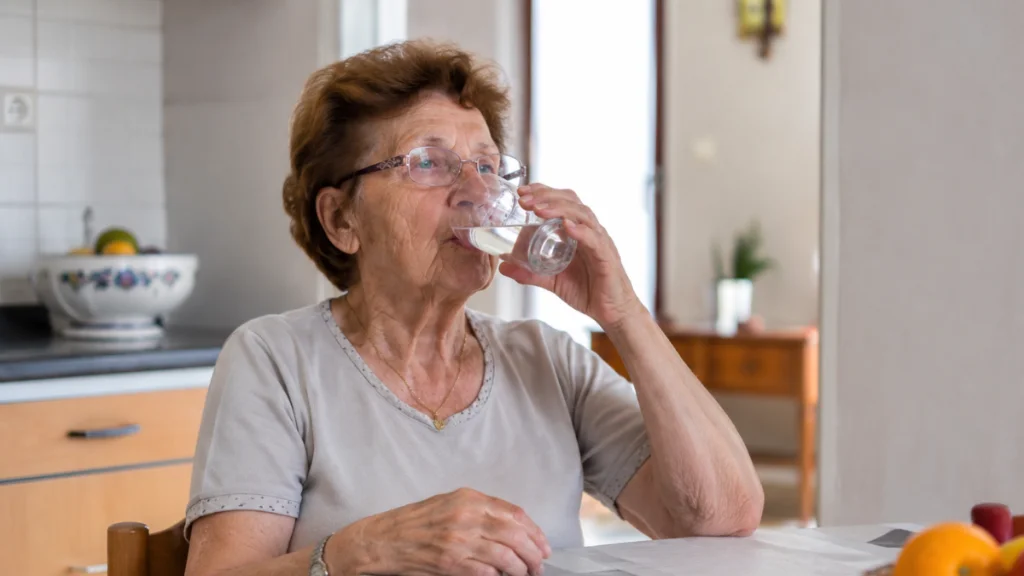
- Extreme heat puts older people at particular risk of dehydration and heatstroke.
- Some symptoms can develop gradually and go unnoticed in older adults.
- Caregivers play a key role in identifying unusual changes as quickly as possible.
- Regular monitoring of hydration and behavior can help reduce the risks.
- Some warning signs require a rapid response and, in the most serious cases, immediate medical attention.
A new heatwave is coming: older people once again on the front line
France is not done with the heat yet. After several particularly intense episodes since the beginning of the summer, a new wave of extreme heat is expected from Tuesday, August 11, with 22 departments placed under an orange heatwave alert as of Monday. Temperatures could once again exceed 35°C in several regions.
For older people, these episodes should not be taken lightly. With age, the sensation of thirst decreases and the body becomes less efficient at regulating its temperature. Dehydration can therefore develop without the person necessarily being aware of the danger. And in older adults, their health can deteriorate rapidly.
For caregivers, relatives and neighbors, the best approach is therefore to know the signs that should raise the alarm. Here are the five main ones, from the symptom that should be monitored to the sign requiring immediate action.
5. Unusual fatigue or sudden weakness
An older person who suddenly seems much more tired than usual, lacks strength or experiences unusual difficulty moving should not simply be considered “tired from the heat.” This may be an early sign of dehydration or heat exhaustion.
For caregivers, it is particularly the change from the person’s usual behavior that should attract attention. An older person who walks less well, spends more time lying down, loses their appetite or appears unusually drowsy requires close monitoring. In older adults, these symptoms can be atypical and may precede more serious complications.
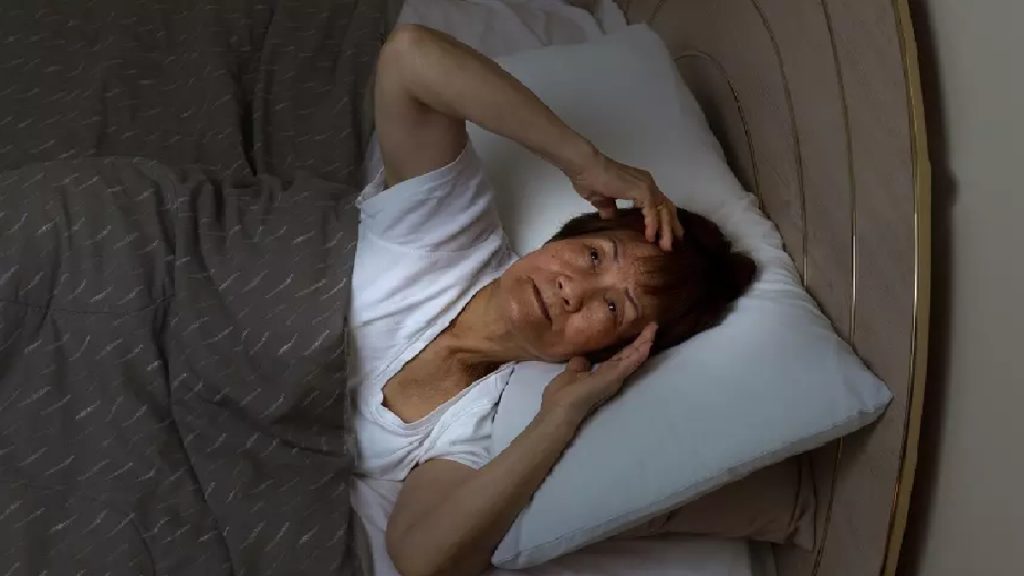
4. Dizziness, headaches or feeling faint
Dizziness, light-headedness, headaches or visual disturbances may also indicate that the body is no longer able to compensate for the effects of the heat. These symptoms are notably associated with exhaustion caused by prolonged exposure to high temperatures.
The risk is that a caregiver may dismiss dizziness or faintness in an older person, potentially leading to a fall or a rapid deterioration in their condition. The French government’s official website for older people also identifies dizziness, fainting and falls as possible signs of dehydration. An older person who falls during a period of extreme heat should therefore be monitored particularly closely.

3. Significantly reduced urination or other signs of dehydration
The amount of urine produced is a particularly useful indicator for relatives and caregivers. Significantly less urine or darker urine may indicate dehydration. A very dry mouth or tongue, dry lips or weight loss can also be warning signs.
However, do not wait for the person to ask for a drink. In older adults, the sensation of thirst is often reduced or delayed. Not feeling thirsty therefore does not mean that the person is not dehydrated. This is precisely why caregivers should regularly offer water and, when necessary, monitor actual fluid intake.
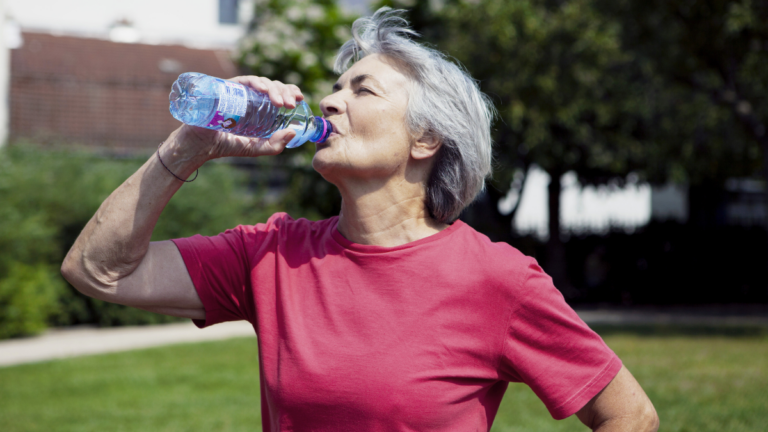
2. High body temperature, nausea or unusually hot skin
Fever, nausea, vomiting, rapid breathing or heavy sweating can be signs of heat exhaustion. Santé publique France, the French national public health agency, identifies cramps, a body temperature above 38°C, unusual fatigue, headaches, dizziness, nausea and incoherent speech among the warning signs to look out for during a heatwave.
In older people, however, body temperature may remain normal despite heat exhaustion. Conversely, a very high body temperature should immediately raise concern. France’s national health insurance system considers heatstroke a medical emergency when it is accompanied, in particular, by a body temperature of 40°C or higher and significant disturbances in consciousness.
1. Confusion or a sudden change in behavior: the sign that should never be dismissed
An older person who becomes confused, starts speaking incoherently, appears disoriented, unusually agitated or, conversely, abnormally drowsy should immediately raise concern. These changes may be linked to severe dehydration or heatstroke. The French government’s official website for older people lists confusion, mood disturbances, agitation and reduced alertness among the signs of dehydration in older adults.
This is also the point when you should no longer wait to seek medical advice. In the event of significant disturbances in consciousness, loss of consciousness, seizures, delirium or a very high body temperature, heatstroke is a medical emergency and emergency services should be called immediately. France’s national health insurance system reminds people that older adults and those who have lost their independence are among the groups particularly at risk.
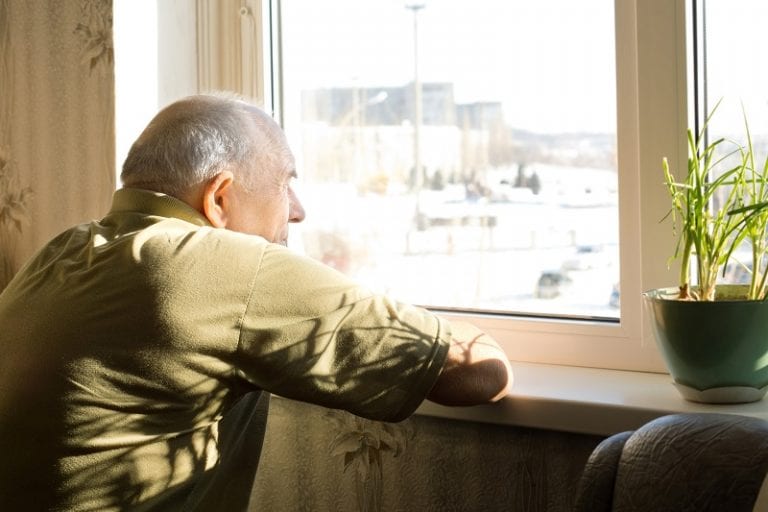
Heatwave: caregivers need to act quickly
When an older relative shows several of these signs, the priority is to move them somewhere cool, cool them down and give them fluids if their condition allows them to drink, while promptly contacting a healthcare professional depending on the severity of the symptoms. In the event of altered consciousness or suspected heatstroke, do not wait for the condition to improve on its own before seeking emergency medical assistance.
Vigilance should also continue after the hottest periods have passed. Santé publique France emphasizes that the health effects of heat can be delayed by several days and may worsen with repeated exposure. Following several heatwaves in quick succession, as observed in France in 2026, the most vulnerable people may be particularly at risk.
Published by the Editorial Staff on