

Growing older is no longer synonymous with giving up. In the context of population ageing, the question is no longer just about living longer, but about living better. After 60, daily habits determine your healthy lifespan: physical activity, social connection, diet, mental stimulation… Here are seven habits to adopt in order to preserve independence and age with energy and clarity.

How can you adopt the right habits to age well after 60?
After 60, everything speeds up—including health challenges. In France, healthy life expectancy in 2024 was 64.1 years for women and 63.7 years for men at birth, and 11.8 and 10.5 years respectively at age 65. At the same time, more than 30% of people over 65 are at risk of losing autonomy. Yet studies show that up to 80% of cardiovascular diseases and a large share of age-related disorders could be prevented or delayed through simple lifestyle habits. In other words: ageing well is not a matter of luck, but of concrete choices within reach.
1. Move every day, without exception
The body is made for movement, at any age. After 60, physical activity becomes a major public health issue: it reduces muscle loss, maintains balance, and lowers the risk of chronic diseases.
For example, you can:
- walk 30 minutes a day
- cycle regularly
- vous déplacer à vélo
Beyond physical health, movement has a direct impact on mental wellbeing. Exercise stimulates endorphin production, improves sleep, and strengthens self-confidence at any age. The goal is not performance: it is about integrating movement into daily life in a sustainable and adapted way.
Sport is also a powerful social connector: it facilitates interaction in contexts where communication may be difficult, particularly in conditions such as Alzheimer’s disease.
2. Maintain your social network
Isolation is one of the major risks after 60. Maintaining regular social contact with family, friends, or neighbours is not optional: it is a key factor in both longevity and daily wellbeing. Social interactions stimulate memory and help prevent depression. The best ways to maintain social ties include:
- joining an association
- participating in group activities
- increasing informal social exchanges
The key is to stay connected to the world. Maintaining intergenerational relationships is essential: regular exchanges between generations reduce feelings of isolation, improve mood, and help preserve cognitive abilities. By sharing experience while staying in contact with younger generations, older adults also strengthen their sense of purpose.
3. Keep your brain active
The brain, like the body, needs training. Reading, writing, playing games, or learning new skills all help maintain cognitive abilities. Curiosity becomes a valuable ally in delaying cognitive decline.
But it is not just about exercises. Exposure to novelty, breaking routine, and exchanging ideas are all ways to keep the mind active. To age actively, mental stagnation should be avoided.
4. Eat a balanced diet, without being overly strict
Nutrition plays a key role in ageing. Prioritising varied meals rich in fruit, vegetables, protein, and healthy fats helps preserve energy and prevent many diseases. Attention must also be paid to nutrient deficiencies, which become more common with age.
However, healthy eating should not become a constraint. Pleasure remains essential. Cooking and discovering new flavours also contribute to quality of life. Balance is built not through restriction, but over time.

5. Maintaining good sleep habits
Sleep changes with age, often becoming less restorative. Yet insufficient rest has a direct impact on physical and mental health: chronic fatigue, mood disorders, and reduced alertness are common consequences.
Simple routines can make a significant difference:
- keeping regular sleep schedules
- limiting screen exposure
- maintaining a calm environment
In short, sleep must become a priority, not a variable to adjust.
6. Staying proactive about your health
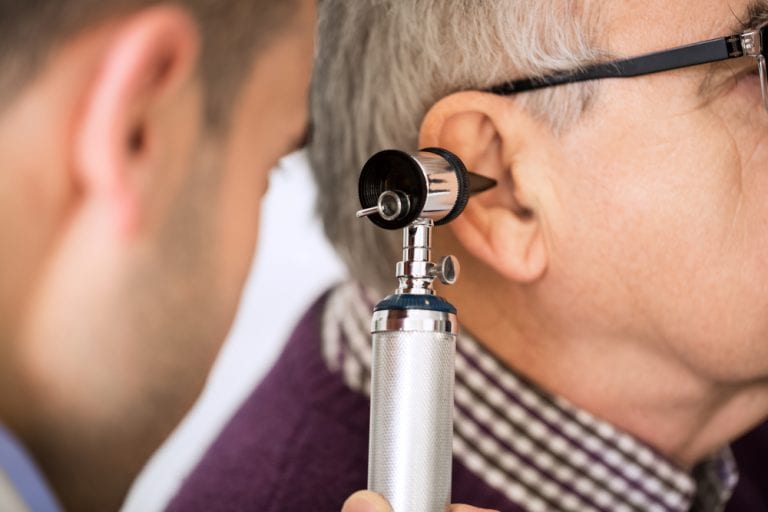
After 60, prevention becomes strategic. Regular check-ups, screenings, and medical follow-ups help detect potential issues early. The goal is not to over-medicalise life, but to stay one step ahead.
- Plan an annual comprehensive health check (blood pressure, blood tests, hearing, vision) to detect early warning signs and adjust care if needed.
- Do not neglect recommended screenings (cancers, osteoporosis, cardiovascular diseases), as they allow early intervention and prevent serious complications.
- Listen to your body daily: unusual fatigue, persistent pain, or sleep disturbances should be taken seriously.
Being active in managing one’s health also means understanding one’s body, signals, and limits. A proactive approach helps preserve independence for longer and avoid sudden health breakdowns.
7. Develop a positive and committed mindset
The way we perceive ageing directly influences how we experience it. Having projects, continuing to learn, or passing on knowledge fosters a strong sense of purpose.
Remaining engaged in society, family life, or meaningful causes helps maintain momentum. Ageing is not about stepping back—it is about redefining one’s place.
Ageing well is neither luck nor a miracle formula. It is a daily construction, shaped by simple but decisive choices. After 60, the goal is not to slow down, but to adjust your pace in order to continue moving forward with confidence.
Published by the Editorial Staff on