

What allows some people to reach their eighties with remarkably sharp recall? Northwestern University’s SuperAging programme offers a window into exceptional memory in later life. Its 2025 review brings together a quarter-century of research on adults whose performance on memory tests resembles that of much younger people. For the ageing well sector, the interest lies in understanding how brain structure, cellular biology and social relationships may support cognitive health.

- SuperAgers are adults aged 80 and over with unusually strong memory for their age.
- Their brain structure can differ from that of people experiencing typical cognitive ageing.
- Resistance to pathology and resilience despite pathology are two distinct research findings.
- Social connections are a recurring feature, although they do not establish a single cause.
- The research may inform future approaches to brain health; it does not provide a cure for Alzheimer’s.
SuperAgers and brain health: what sets their memory apart?
Age-related changes to the brain do not affect everyone in the same way. While many older adults experience changes in recall, SuperAgers stand out for their preserved episodic memory—the ability to remember information and experiences. This distinction is particularly relevant to research on Alzheimer’s disease.

Sandra Weintraub’s interpretation, paraphrased: studying people with exceptional late-life memory gives researchers a different starting point for investigating brain health—one focused on what remains preserved.
Sandra Weintraub is a professor of psychiatry and behavioural sciences and of neurology at Northwestern University Feinberg School of Medicine.
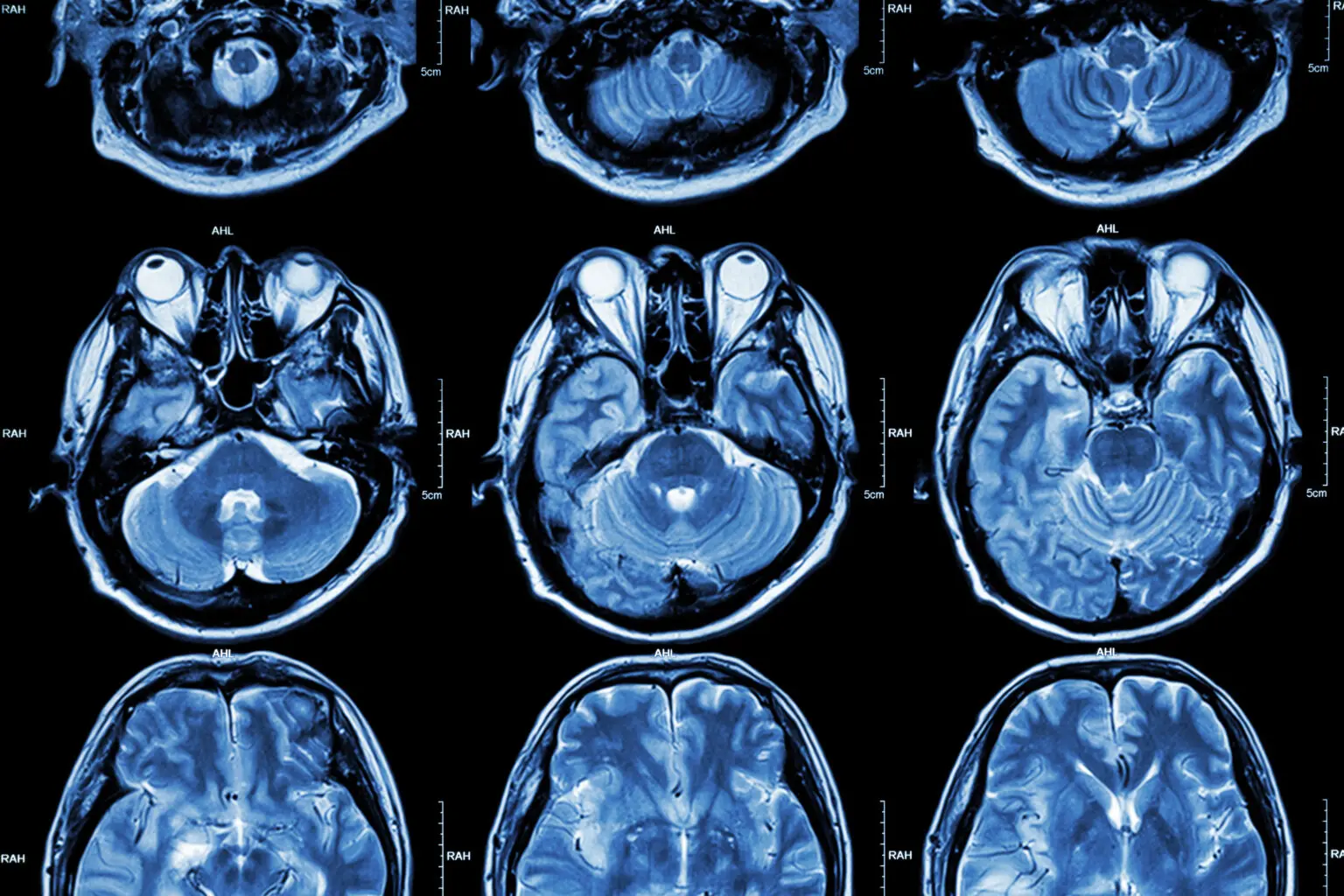
Brain scans reveal structural differences alongside the test results. SuperAgers tend to retain more cortical thickness than typical older peers. The anterior cingulate, which contributes to motivation, decision-making and emotional processing, has attracted particular attention because it can be thicker than in substantially younger adults.

Resistance and resilience: two routes to cognitive longevity
The review reported 77 post-mortem brain examinations, adding tissue-level evidence to years of cognitive assessments. Findings point to two routes: resistance, involving comparatively limited Alzheimer-related pathology, and resilience, in which memory remains strong despite the presence of amyloid plaques or tau tangles. These are different biological patterns rather than a single explanation for every participant.
Other observations include greater numbers of von Economo neurons, specialised cells associated with social behaviour, and larger neurons in the entorhinal region, a key memory-related area. Together, these findings suggest that exceptional recall has a biological signature extending beyond a good result on a test.
Social connections in exceptional cognitive ageing
There is no uniform SuperAger lifestyle. Participants differ in their health histories, exercise habits and diets. What frequently stands out is an active social life and close relationships. That recurring feature provides a useful direction for research, rather than a checklist that guarantees exceptional memory.

Tamar Gefen’s perspective, paraphrased: following volunteers over many years and examining donated brain tissue makes it possible to connect their lived cognitive experience with changes visible at the cellular level.
Tamar Gefen is an associate professor of psychiatry and behavioural sciences at Northwestern and a co-author of the review.
Social engagement and preserved cognition are linked in these observations, but the relationship is not proof of cause and effect. The findings cannot establish that socialising alone prevents dementia. They do reinforce the value of considering relationships alongside biological measures when exploring why people age differently.
What SuperAger research means for Alzheimer’s prevention
For researchers, exceptional ageing offers clues to questions that studies of disease alone may not answer. Investigating why some brains tolerate pathology could help identify future targets for preserving cognition. The 2025 findings are a research foundation, not a treatment or a proven prevention programme.
The next challenge is to disentangle genetic influences, cellular characteristics and environmental factors, then test which mechanisms can be translated into useful interventions. Readers can also explore SilverEco’s coverage of lifelong learning and Alzheimer’s research for another perspective on cognitive ageing.
SuperAgers challenge a one-size-fits-all view of growing older. Their experience shows that advanced age and strong memory can coexist. It does not mean that the brain stops ageing, or that everyone can reproduce the same outcome.
Research source: The first 25 years of the Northwestern University SuperAging Program, Alzheimer’s & Dementia. This article revisits the findings of that review.
Published by the Editorial Staff on